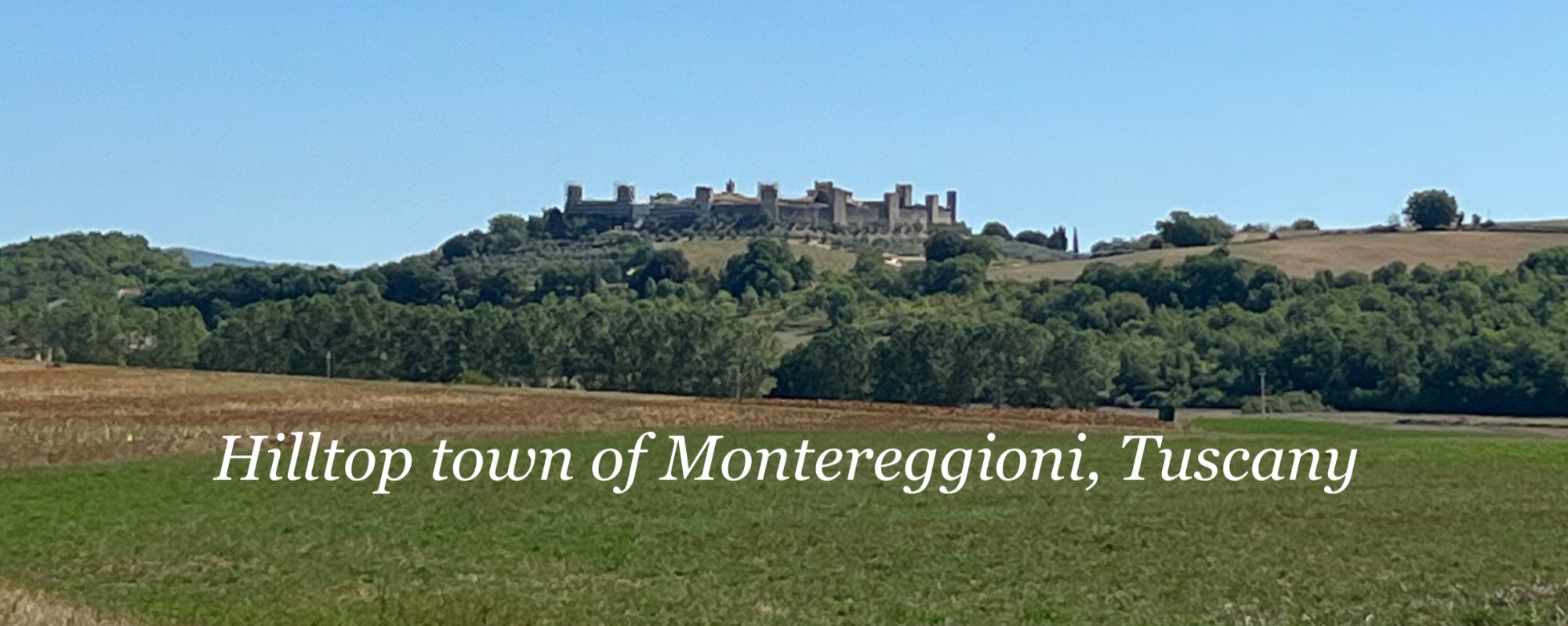
The Via Francigena is arguably the pinnacle of pilgrim walks in Europe. It is a journey across half a continent and four countries – England, France, Switzerland and Italy – with the pull of the Eternal City as a goal. Starting in Canterbury, the Via Francigena follows the North Downs to Dover and from Calais in northern France winds through the WW1 battlefields of Picardy and the Champagne region before entering Switzerland over the Juras.
The way then skirts Lac Léman to approach the Alps, which are crossed by the Grand St Bernard Pass, descending into Italy down the Aosta Valley to Piedmont and Lombardy, and over the Apennines and the hills of Tuscany to end in Rome.
It takes around 90 days to complete the journey on foot, though some have done it in less than 60. While well within the reach of an average distance walker, it is a tougher undertaking than the Camino Francés.
There is less infrastructure in terms of pilgrim hostels and affordable accommodation, distances between places to sleep and shops and bars, especially in France, are far longer, and the route can be lonely and in parts it is rugged.
Although the Via Francigena is growing in popularity, the numbers walking it are only a fraction of those on the Camino Francés. It is still possible to walk for several days without meeting another pilgrim. There is not much of the fraternity of the road that exists along the Camino Francés, where you get to know people as you go along. So you need to be self-reliant if you to walk to Rome.
You also need to be reasonably fit before you set out. While the first part of the route through Kent and northern France is relatively flat, pilgrims then face a succession of stiff climbs – the Juras, the Alps, the Cisa Pass, and the hills of Tuscany.
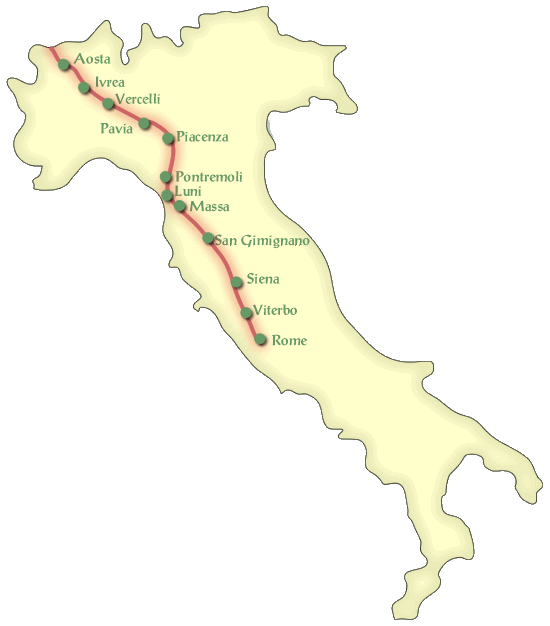
I first started planning for this walk in May 2020 but it all came to an untimely end with the outbreak of Covid 19. However, its now 2022 and the world is opening up again so I am heading back to Europe to pick up my adventures again. Walking or Cycling the complete Via Francigena is on hold in a post-covid world, for this year at least and mostly pilgrims are walking just the Italian route from Lucca to Rome.
I am not planning to walk the entire Via Francigena trek but have given myself the challenge of an 12 day, 225km walk.
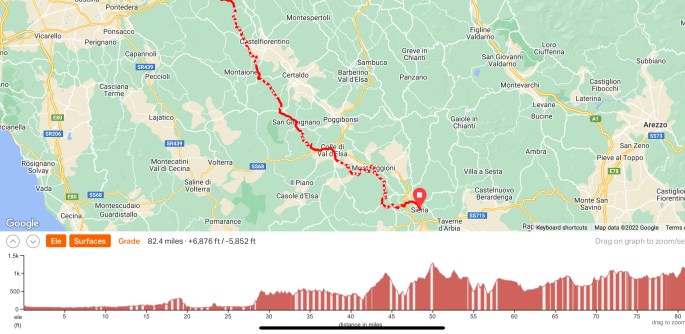
First week is through the hilly Tuscany region of Italy before jumping ahead to the historic town Viterbo in central Italy.
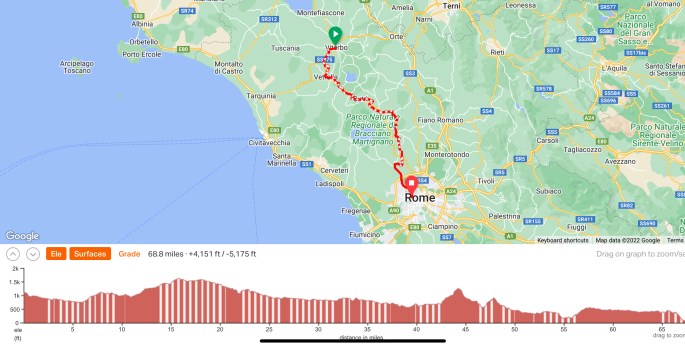
The last section 114kms from Viterbo to St Peters Basilica in Rome is enough walking to receive the official testimonial.
Below is my itinerary through Italy:
| Day 1 | 01/09/22 | Paris to Pisa | Flight | |
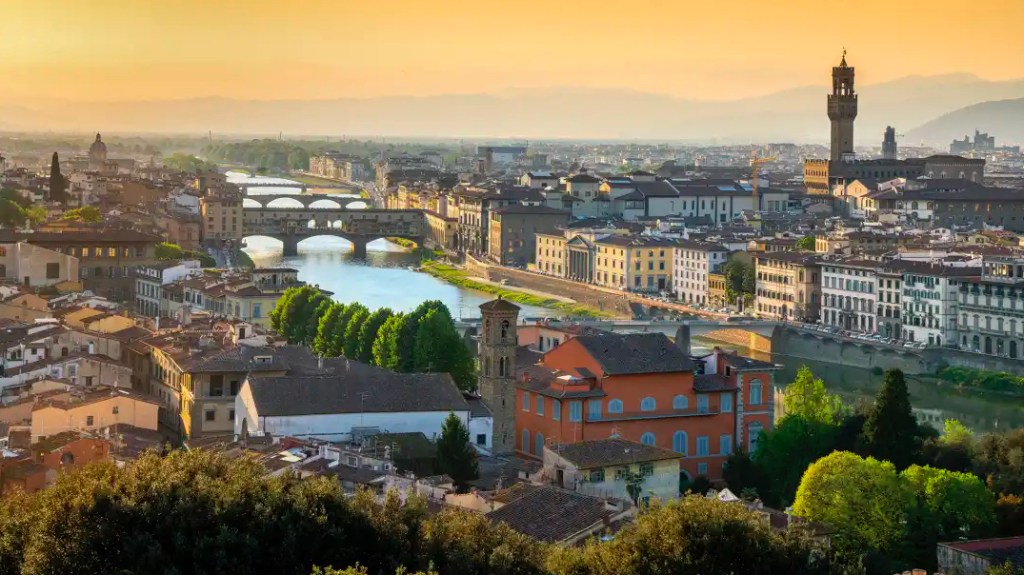
| Day 2 | 02/09/22 | Pisa to Florence | Train | |
| Day 3 | 03/09/22 | Florence to Castelfiorentino | Train | |
| Day 4 | 03/09/22 | Gambassi Terme | Walk | 16 |
| Day 5 | 04/09/22 | San Gimignano | Walk | 18 |
| Day 6 | 05/09/22 | Colle di Val d’Elsa | Walk | 18 |
| Day 7 | 06/09/22 | Montereggioni | Walk | 18 |
| Day 8 | 07/09/22 | Siena | Walk | 22 |
| Day 9 | 08/09/22 | Siena to Viterbo | Train | |
| Day 10 | 08/09/22 | Vetralla | Walk | 18 |
| Day 11 | 09/09/22 | Sutri | Walk | 24 |
| Day 12 | 10/09/22 | Monterosi | Walk | 18 |
| Day 13 | 11/09/22 | Formello | Walk | 18 |
| Day 14 | 12/09/22 | La Storta | Walk | 18 |
| Day 15 | 13/09/22 | Rome | Walk | 18 |
| Day 16 | 14/09/22 | Rome | Rest Day | |
| Day 17 | 15/09/22 | Rome | Rest Day | |
| Day 18 | 16/09/22 | Rome to Porto | Flight |
This a hectic schedule of flights and trains to get to the start of the Via Francigena and typical of me, as I like to cram in visits to as many of the highlights as possible. I am very excited to be walking again after being halted from travelling to Europe for last 2 years.
I arrive in Pisa on an early flight from Paris so I can enjoy another day getting over jet lag and use the day for sightseeing.
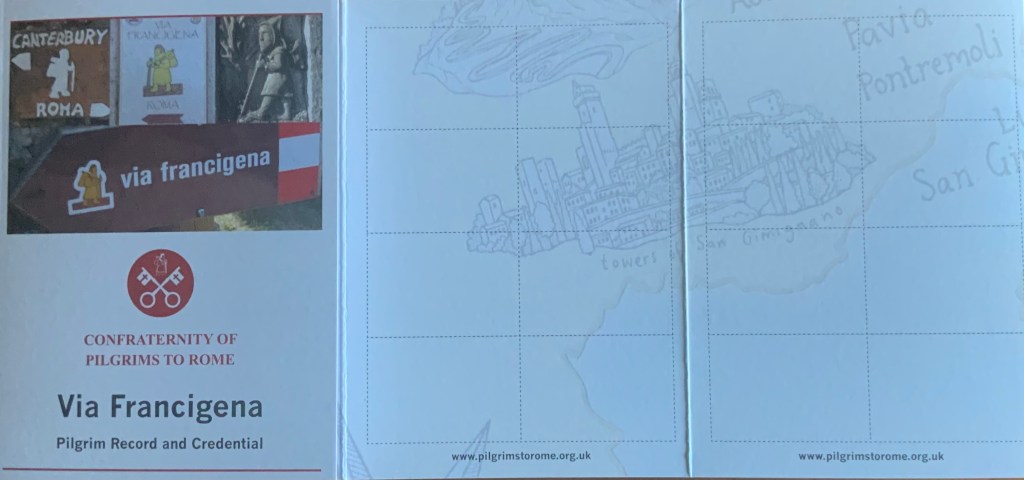
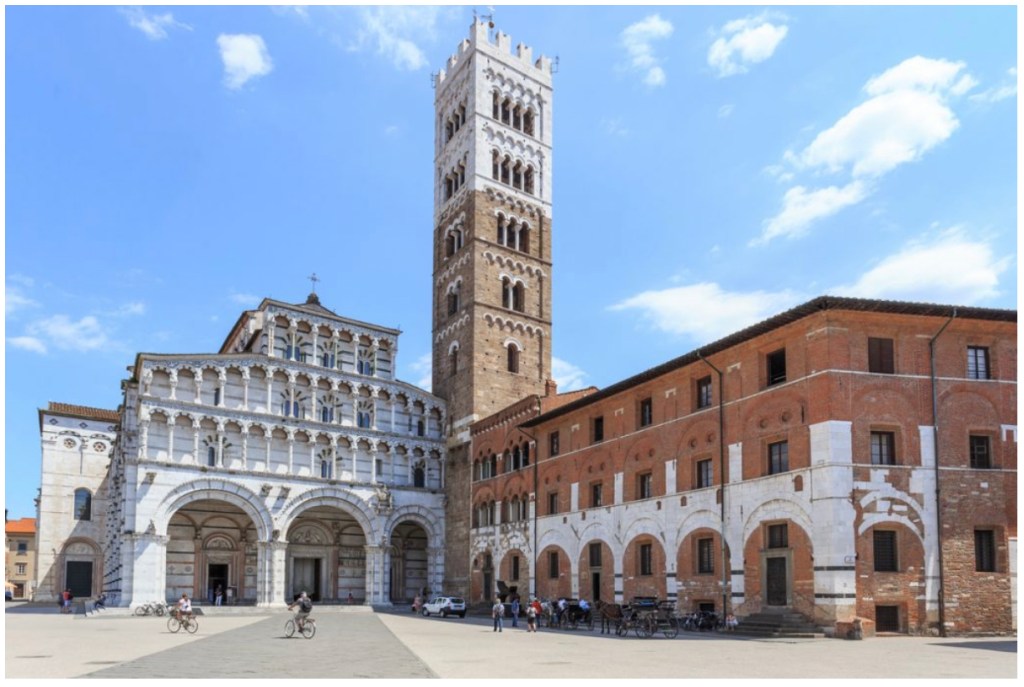
Next day is a short morning train ride to Lucca, which is now the official start of the Italian part of the Via Francigena. The quick stop is to get my Official Pilgrim Passport (The Credential) stamped at the Cathedral of San Martino before continuing on the train to Florence for the night.
The walking starts the following day with an morning train journey to the small Tuscan city of Castelfiorentino where I can pick up the Via Francigena trail. The plan is to get there early enough to start walking that afternoon to the ancient town Gambassi Terme. The undulating terrain continues 5 days over the hills of Tuscany before arriving at the historic city of Siena.
A night in Siena and another early train ride to the ancient city of Viterbo in central Italy and continue walking 6 days along the Via Francigena to Rome.
Phwee, I can hear you say that’s racing through a few iconic Italian cities however, I have been to these places a few times and all I can say is, ”its the journey not the destination”.
 Via Francigena Italy - 2022